

Fleet Fuel Cards Reports Average 8.7% Monthly Fuel Savings From Fleet Card Programs
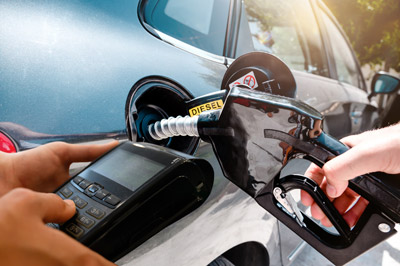
Fleet Fuel Cards is a top fleet card comparison website for small businesses.
Fleet Fuel Cards reports businesses save 8.7% monthly on fuel costs with managed fleet card programs as adoption surges among small and mid-sized U.S. fleets.
A fleet fuel card gives you rebates at the pump, controls over what drivers can purchase, and reporting that shows where every dollar goes.”
BOISE, ID, UNITED STATES, March 30, 2026 /EINPresswire.com/ -- Fleet Fuel Cards, a leading resource for commercial fleet fuel card comparisons and fuel management guidance, reports that businesses switching to managed fleet fuel card programs are saving an average of 8.7% on monthly fuel costs. The findings come as fleet operators across the United States face sustained pressure from elevated fuel prices and increased demand for tools that provide full visibility into fleet spending.— Dan O'Donnell
The 8.7% average monthly savings figure reflects data compiled from fleet card program performance across major providers including WEX, Shell, Exxon Mobil, Chevron, Valero, Marathon, and Fuelman. A mid-sized fleet spending $15,000 per month on fuel saves more than $15,600 annually after switching to a managed card program.
Fleet card adoption among small and mid-sized businesses has increased over the past 12 months. Companies operating fleets of five to fifty vehicles are driving much of this growth, as owners and fleet managers move away from traditional credit cards toward solutions that offer per-gallon rebates, purchase controls, and real-time expense reporting. Businesses in transportation, logistics, construction, landscaping, and field service industries account for a large share of new fleet card signups, with many operators applying for cards from multiple providers to compare rebate structures before committing to a primary program.
"General-purpose credit cards cost small fleet operators real money compared to dedicated fuel cards," said a Fleet Fuel Cards spokesperson. "A fleet fuel card gives you rebates at the pump, controls over what drivers can purchase, and reporting that shows where every dollar goes. Businesses running even a handful of vehicles see measurable savings within the first billing cycle."
Nearly 68.9% of companies that have adopted fleet fuel card programs report measurable improvements in overall expense management. Fleet managers cite detailed transaction reporting, driver-level spending visibility, and automated fuel tax documentation as benefits that reduce administrative burden and improve financial oversight. Many fleet managers also use card-generated data to identify drivers with high fuel consumption, flag off-route fueling, and negotiate better rates with fuel suppliers based on documented volume.
Network coverage plays a major role in how businesses choose a fleet card. Fuel cards accepted at more than 115,000 locations nationwide cover approximately 94.5% of common commercial routes. Universal acceptance cards from providers like WEX give operators access to more than 90% of all U.S. fuel stations, while brand-specific cards from Shell, Exxon Mobil, and Chevron offer deeper rebates at their branded locations.
Maintenance tracking integration is changing how fleet operators use their fuel cards. According to Fleet Fuel Cards data, 72.4% of fleet operators prefer fuel cards that include integrated maintenance tracking. Drivers using the same card for fuel purchases, oil changes, tire replacements, and routine vehicle service at approved locations reduce the number of payment systems fleet managers need to monitor. All spending data feeds into a single reporting dashboard, making it easier to track total cost of ownership per vehicle and forecast maintenance budgets.
Real-time spending alerts, mobile app access, and instant card controls have moved from premium features to baseline requirements for fleet operators. More than 56.3% of fleets use cards that provide real-time transaction notifications, giving fleet managers the ability to spot anomalies, enforce purchase policies, and respond to unauthorized activity the same day rather than catching issues weeks later during monthly reconciliation.
Over 62% of U.S. fleets currently rely on fleet fuel cards to manage their fuel expenses. That number continues to grow as fuel price volatility persists and fleet operators look for ways to lock in predictable costs. Fleets that previously managed fuel purchases through petty cash, company credit cards, or driver reimbursement programs are switching to dedicated fleet cards to gain purchase-level visibility they did not have before.
The company's updated 2026 comparison guide evaluates fleet card programs across the criteria that matter most to fleet managers: per-gallon rebate structures, network size and geographic coverage, purchase controls and security features, reporting and analytics capabilities, card fees, and customer service quality. Program reviews cover offerings from Shell, Exxon Mobil, WEX, Chevron, Valero, Citgo, Marathon, Fuelman, Earnify, and additional providers serving the commercial fleet market. Each review includes details on rebate tiers, accepted locations, card fees, minimum fleet size requirements, and how the card handles multi-state fuel tax reporting.
Dan O'Donnell
Fleet Fuel Card
email us here
Legal Disclaimer:
EIN Presswire provides this news content "as is" without warranty of any kind. We do not accept any responsibility or liability for the accuracy, content, images, videos, licenses, completeness, legality, or reliability of the information contained in this article. If you have any complaints or copyright issues related to this article, kindly contact the author above.
